Frequently Asked Questions
The most-asked questions about bolivian cuisine.
What is Bolivian cuisine and what makes it distinct?
Bolivian cuisine is a layered blend of pre-Columbian Andean traditions, Spanish colonial cooking, and African influences, centered on ingredients like potatoes, quinoa, corn, and chuño (freeze-dried potato). It is often overshadowed by its neighbors' cuisines, yet it has its own identity built around hearty soups, hand-pulled breads, and fermented drinks tied to highland and lowland life.
What are the most iconic dishes a newcomer should know?
The three dishes that define the national food identity are the salteña (a flaky, baked empanada-style pastry), chairo (a thick, multi-ingredient stew), and api (a mildly fermented corn drink). Together they cover the savory, the hearty, and the refreshing sides of a typical Bolivian meal.
What exactly is a salteña?
A salteña is a hand-crafted, crescent-shaped pastry with a buttery, layered crust filled with a seasoned mix of beef, potatoes, olives, and a hard-boiled egg. It is traditionally eaten as a street snack or lunch item and is considered a point of national pride, with regional variations in filling and dough.
What is chairo and why does it matter culturally?
Chairo is a slow-cooked stew combining beef or pork with potatoes, quinoa, corn, chuño, and sometimes a small amount of lard, often served with a side of chuño and ají. It is the archetypal midday meal in rural and urban Bolivia alike and is strongly associated with family gatherings and Sunday lunches.
What are the foundational ingredients of Bolivian cooking?
Potatoes (hundreds of native varieties), quinoa, corn, chuño, ají peppers, and beef form the backbone of most dishes. In the Chaco lowlands, you will also find a heavier reliance on grilled meats, rice, and tropical fruits, reflecting a very different agricultural base.
How does Bolivian food differ from Peruvian and Argentine cuisine?
While all three share Andean and colonial roots, Bolivian cooking leans more heavily on thick soups and stews like chairo and less on the ceviches, stir-fries, or parrilla grills that define Peru and Argentina. The salteña, for example, has no direct equivalent in either neighbor's canon, and the fermented corn drink api is a distinctly Bolivian staple.
What traditional drinks are associated with Bolivian food?
Api, a lightly alcoholic fermented corn beverage, is the most recognizable and is often served alongside chairo or as a standalone drink. Mate (yerba mate) is widely consumed as a hot infusion, and chicha de jora (freshly fermented corn) appears at festivals and rural celebrations.
How do regional differences shape the cuisine?
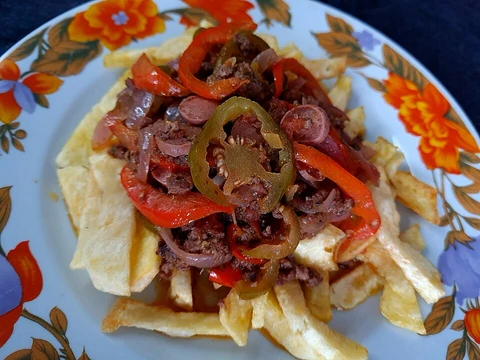
The Altiplano highlands emphasize potato- and quinoa-based stews and chuño, the central valleys favor wheat-based breads and the salteña, and the Chaco lowlands center on grilled meats, rice, and tropical produce. A dish like pique a lo macho (a smoky, spicy meat-and-egg stew) is a valley specialty that feels almost foreign to a Chaco palate.
What are the typical mealtime customs in Bolivia?
Lunch (almuerzo) is the heaviest meal of the day, often a large soup or stew eaten between noon and two, while dinner (cena) is lighter and later. Street food and market stalls are a daily part of life, and sharing a pot of chairo or a tray of salteñas with friends and family is a common social ritual.
Where should someone start if they want to explore Bolivian food?
Begin with a salteña from a local bakery or market, a bowl of chairo at a family-run restaurant, and a glass of api to taste the three pillars at once. From there, exploring regional specialties like pique a lo macho, silpancho (a layered rice-and-meat plate), or the Chaco's grilled asado will round out the picture.