Bolivian cuisine
Bolivian cuisine blends indigenous staples with Spanish and immigrant influences.

Wikipedia / Wikimedia Commons
Bolivia’s cuisine has its roots in the indigenous cooking of the Aymara and Inca peoples, along with other groups from the Andes and Amazon. Over time, it absorbed influences from Spanish conquistadors and immigrants from Germany, Italy, France, and Arab nations. The foundation of the diet rests on corn, potatoes, quinoa, and beans, which were later joined by staples brought by the Spanish, such as rice, wheat, beef, and pork.
The food varies sharply by region. In the cold, high-altitude Altiplano of western Bolivia, cooks rely heavily on spices. In the lowland Amazonian areas, meals feature local abundance: fruits, vegetables, fish, and yuca.
**Influences** The strongest outside impact came from Spanish cuisine, though Inca, Aymara, and, to a lesser extent, the cuisines of neighboring Argentina and Paraguay also left their mark. European immigration to Bolivia has been less common than in other Latin American countries, but German, Italian, and Basque traditions have contributed as well.
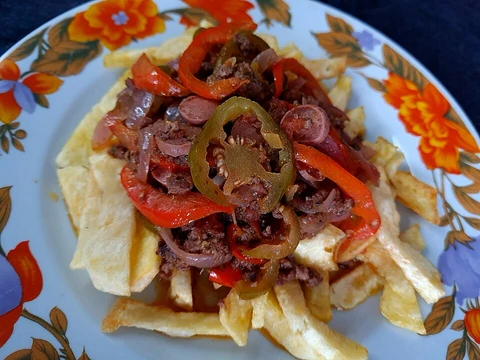
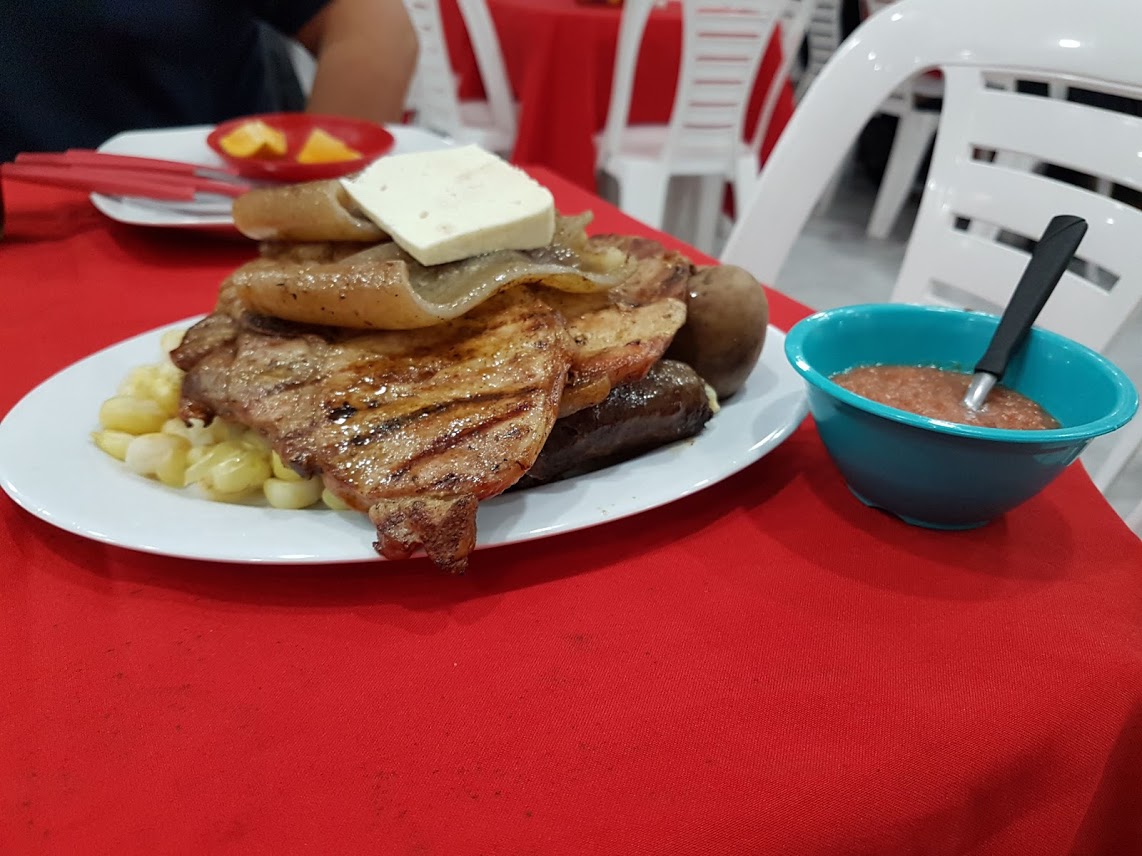
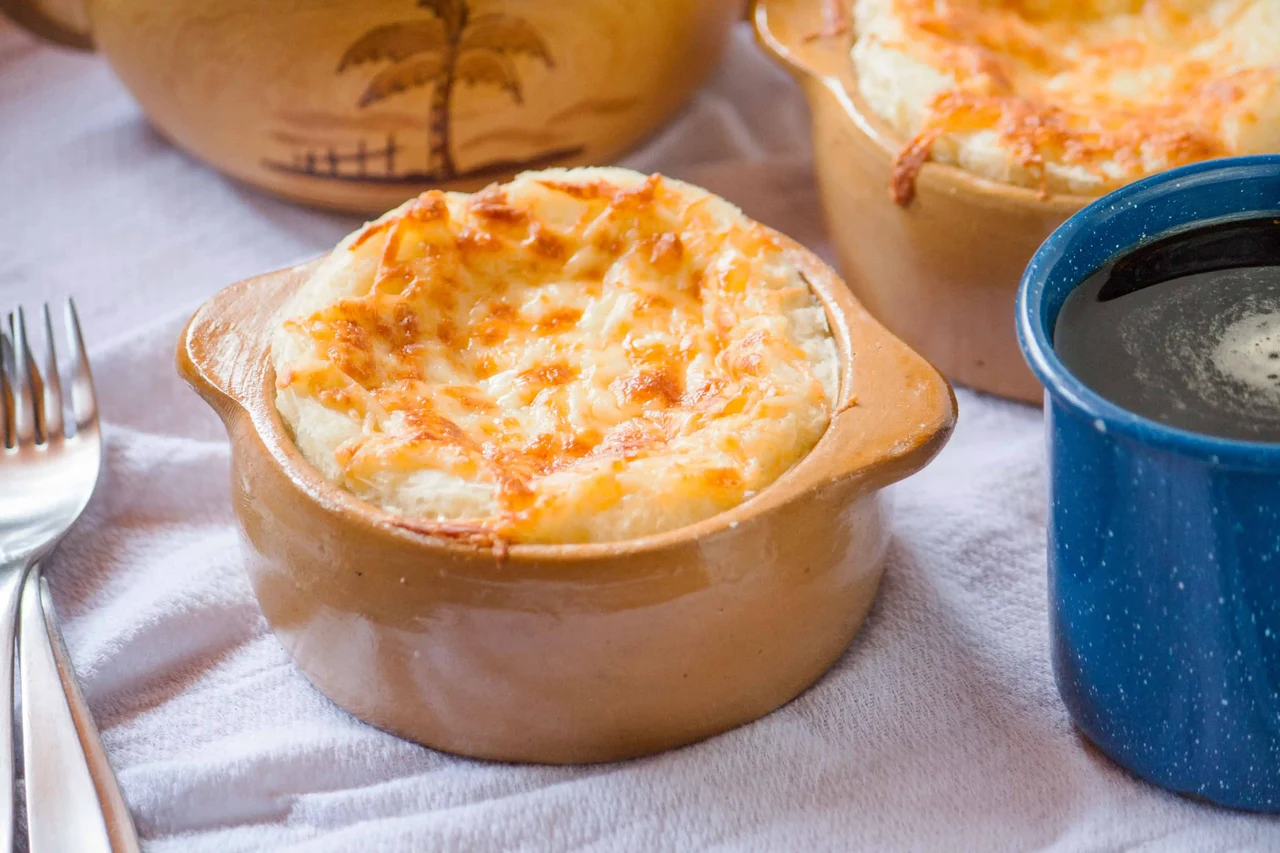
**Foods of Bolivia** Common dishes include arroz con queso, charque, ají of noodles, saice, fricasé, pique macho (beef, sausages, onions, peppers, egg, and fries topped with sauce), salteñas, sopa de maní, and silpancho. Sauces like ají and llajwa are typical.
**Drinks** Popular beverages include singani, yungueño, and mocochinchi.
**Sweets** Bolivian sweets rely on honey and sugarcane as sweeteners. Manjar blanco often replaces dulce de leche in desserts such as alfajores. Common fruits include bananas, guava, coconut, passion fruit, and raisins, with coconut appearing in cocadas, budín de coco (coconut pudding), and pastelitos. Some fruits, like the Amazonian achacha, are local, while others, such as the cherimoya (custard apple), are native to the Andes and used in ice cream and other sweets—Mark Twain once called it “the most delicious fruit known to men.” Helado de canela is a cinnamon-flavored sorbet, and tawa-tawas are fritters sweetened with miel de caña. Bunuelos, fried sweet fritters, are often eaten for breakfast with api, a drink made from morocho corn, cinnamon, milk, and sugar. The Andean fruit tamarillo is common in compotes, marmalades, and assorted desserts.
**Meal Structure** *Breakfast (desayuno)*: Most Bolivians start simply with black coffee (cafe tinto) and bread, often a marraqueta with butter and jam. *Lunch (almuerzo)*: This is the
- Field
- Cuisine
- Nationality
- Bolivian
- Known for
- Indigenous staples, Spanish influences, regional diversity
- Primary influences
- Inca, Aymara, Spanish cuisines
- Staple ingredients
- Corn, potatoes, quinoa, beans, rice, wheat, beef, pork
Lore & Background
Bolivian cuisine differs by geographical location. In the high, cold Altiplano of Western Bolivia, cuisine tends to use spices, while in the lowland Amazonian regions, dishes feature fruits, vegetables, fish, and yuca. European immigration to Bolivia is less common than in other Latin American countries, but German, Italian, Basque, and other cuisines have had some influence, with Spanish cuisine remaining the primary influence.
Reader's Guide
Bolivian cuisine is significant for its fusion of indigenous Aymara and Inca traditions with later Spanish and other immigrant influences. The cuisine's reliance on native staples like corn, potatoes, quinoa, and beans, combined with introduced ingredients such as rice, wheat, beef, and pork, reflects the country's cultural and agricultural history. Regional variation is notable: the Altiplano uses spices due to its cold climate, while Amazonian lowlands emphasize local fruits, vegetables, fish, and yuca. Meals structure daily life, with lunch being the most important meal, often involving multiple courses and a siesta. Afternoon tea breaks, similar to English custom, are common. Sweets frequently use honey, sugarcane, and local fruits like cherimoya, which Mark Twain described as 'the most delicious fruit known to men.' Bolivian cuisine's legacy lies in its preservation of indigenous foodways while adapting to global influences, making it a distinct and enduring part of Latin American culinary heritage.
Did You Know?
- Traditional staples of Bolivian cuisine are corn, potatoes, quinoa, and beans.
- Bolivian cuisine differs by geographical location, with the Altiplano using spices and lowlands using fruits, vegetables, fish, and yuca.
- Mark Twain described the cherimoya fruit, used in Bolivian sweets, as 'the most delicious fruit known to men'.
- Lunch is the most important meal of the Bolivian day, often followed by a siesta.
A Mosaic of Cultures on the Plate
Brazilian cuisine is not a single tradition but a living tapestry woven from Indigenous, African, European, and Asian threads. The foundation was laid by native peoples who cultivated cashews, cassava, pineapple, guaraná, açaí, cumaru, and tucupi long before any foreign contact. Subsequent waves of settlers—Portuguese, Italian, Spanish, German, Dutch, Polish, and Ukrainian—brought wheat-based diets, wine, leafy greens, and dairy, and when potatoes proved scarce they turned to sweet manioc as a practical stand-in. Enslaved Africans, particularly along the coast, contributed their own deep culinary knowledge. Later still, Japanese immigrants introduced the food items Brazilians now associate with Asian cooking and even established large-scale aviaries well into the twentieth century. The result is a national food culture that deliberately preserves its regional differences rather than flattening them into one uniform style, a diversity born of continental size and a population shaped by countless migrations.
A Country of Many Kitchens
There is no single canonical Brazilian cuisine; instead, the country offers a patchwork of regional traditions shaped by who lives where and what the land provides. Bahia's table is steeped in African, Indigenous, and Portuguese flavors, with chili and palm oil appearing in nearly every preparation. In the northern states, dense forests and freshwater rivers make fish, tropical fruits, and cassava-based flours the daily staples. The deep south, particularly Rio Grande do Sul, leans into gaúcho traditions shared with Argentina and Uruguay, where a livestock economy gives rise to the churrasco barbecue. Minas Gerais showcases European-influenced delicacies—feijão tropeiro, pão de queijo, and soft-ripened cheeses—while Goiás is known for pequi fruit in rice dishes and pastel fillings, plus the chicken-and-rice mixture called Galinhada. Mato Grosso and Mato Grosso do Sul draw on Pantanal wetlands and rivers for abundant fish, alongside influences trickling in from neighboring countries.
Dishes That Define a Nation
Feijoada stands as Brazil's national dish, yet it is only one thread in a rich fabric of signature preparations. Moqueca baiana is a slow-cooked fish stew bathed in palm oil and coconut milk, layered with tomatoes, bell peppers, onions, garlic, and finished with a shower of fresh cilantro. Its cousin, moqueca capixaba from Espírito Santo, is a tomato-and-fish stew of Amerindian origin, traditionally cooked in a clay pot sourced from the Goiabeiras district. Caruru offers a different texture entirely: okra, onion, dried shrimp, and toasted peanuts or cashews simmered in palm oil until they reach a spread-like consistency. Bahian street fare includes acarajé and abará, while the Southeast favors picadinho—diced meat—served with rice and beans. São Paulo's virado à paulista pairs rice, a bean purée, sautéed kale, fried plantains, and pork chops. In the countryside, farofa made from the abdomen of the Saúva ant and the sugarcane candy Taiada speak to a more rustic, local palate.
Snacks, Spirits & the Rhythm of Eating
Everyday Brazilian eating revolves around accessible finger foods and a small number of iconic beverages. Pães de queijo, pastéis, coxinhas, risoles, and quibe are the go-to snacks, with the pastel—thin pastry wrapped around assorted fillings and deep-fried in vegetable oil—believed to have originated when Chinese and Japanese immigrants adapted fried spring rolls for São Paulo's weekly street markets. On the drink side, coffee holds the title of national beverage, while cachaça, distilled from fermented sugar cane must, is the country's native liquor and the backbone of the caipirinha cocktail. Socially, feijoada anchors the Wednesday or Saturday lunch in Rio de Janeiro, São Paulo, Espírito Santo, and Minas Gerais. In Rio, a grilled beef fillet with rice, beans, farofa, fried garlic, and Portuguese-style potatoes—filé à Osvaldo Aranha—competes for the throne of the everyday plate, while bolinhos de bacalhau, fried cod fritters born of Portuguese heritage, remain a beloved street food.
Gallery
Frequently Asked Questions
Who is Bolivian cuisine?
Bolivian cuisine is the national food tradition of Bolivia, rooted in the cooking practices of Aymara and Inca peoples and later enriched by Spanish, German, Italian, French, and Arab immigrant communities. It sits at the intersection of Andean highland and Amazonian lowland food cultures.
What are Bolivian cuisine's core staples?
The dietary foundation rests on corn, potatoes, quinoa, and beans, which appear in most traditional dishes. Spanish colonialism later added rice, wheat, beef, and pork as additional everyday ingredients.
How does Bolivian cuisine vary across regions?
In the cold, high-altitude Altiplano, cooks lean heavily on spices to build flavor in harsh conditions, while Amazonian lowland meals draw on tropical ingredients and distinct preparation methods. This sharp regional split is one of the cuisine's most defining traits.
What influences shaped Bolivian cuisine?
The primary roots are Inca and Aymara indigenous cooking, which were then layered with Spanish colonial ingredients and techniques. Subsequent waves of German, Italian, French, and Arab immigrants added further depth to the national table.
Why is Bolivian cuisine important?
It stands out as a national cuisine where pre-Columbian Andean food traditions remain the structural backbone rather than a mere historical footnote. Its blend of indigenous, colonial, and immigrant elements makes it a living record of Bolivia's layered cultural history.
More in Bolivian cuisine 1-19
Spotted an error? Know more?
This is a living reference — every entry is fact-audited, and reader corrections feed straight into our audit queue. Suggest an edit · See this site's audit record