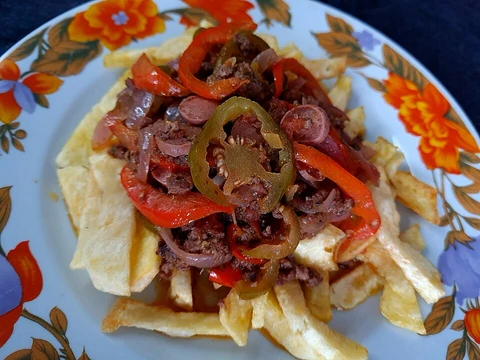
Bolivian wine
Bolivia produces wine at extreme altitudes, mostly in Tarija.

Wikipedia / Wikimedia Commons
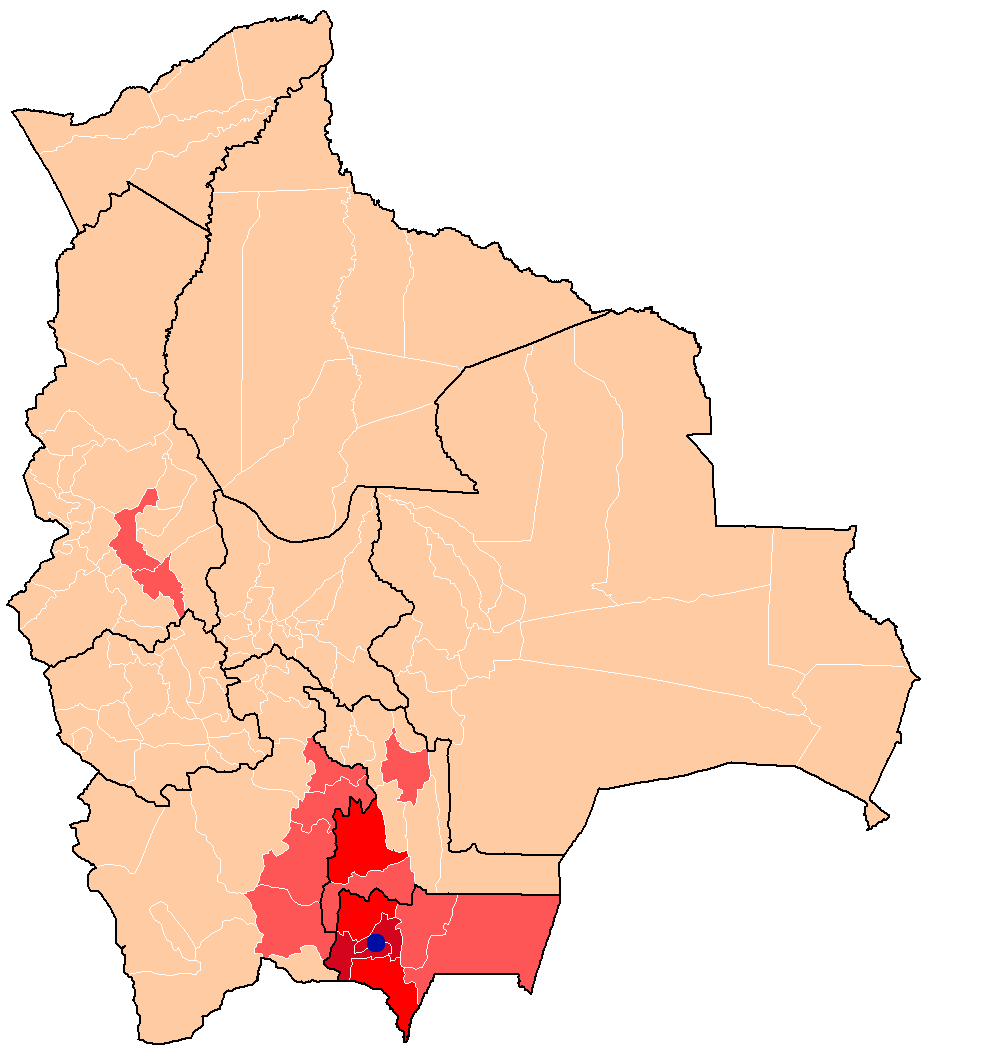
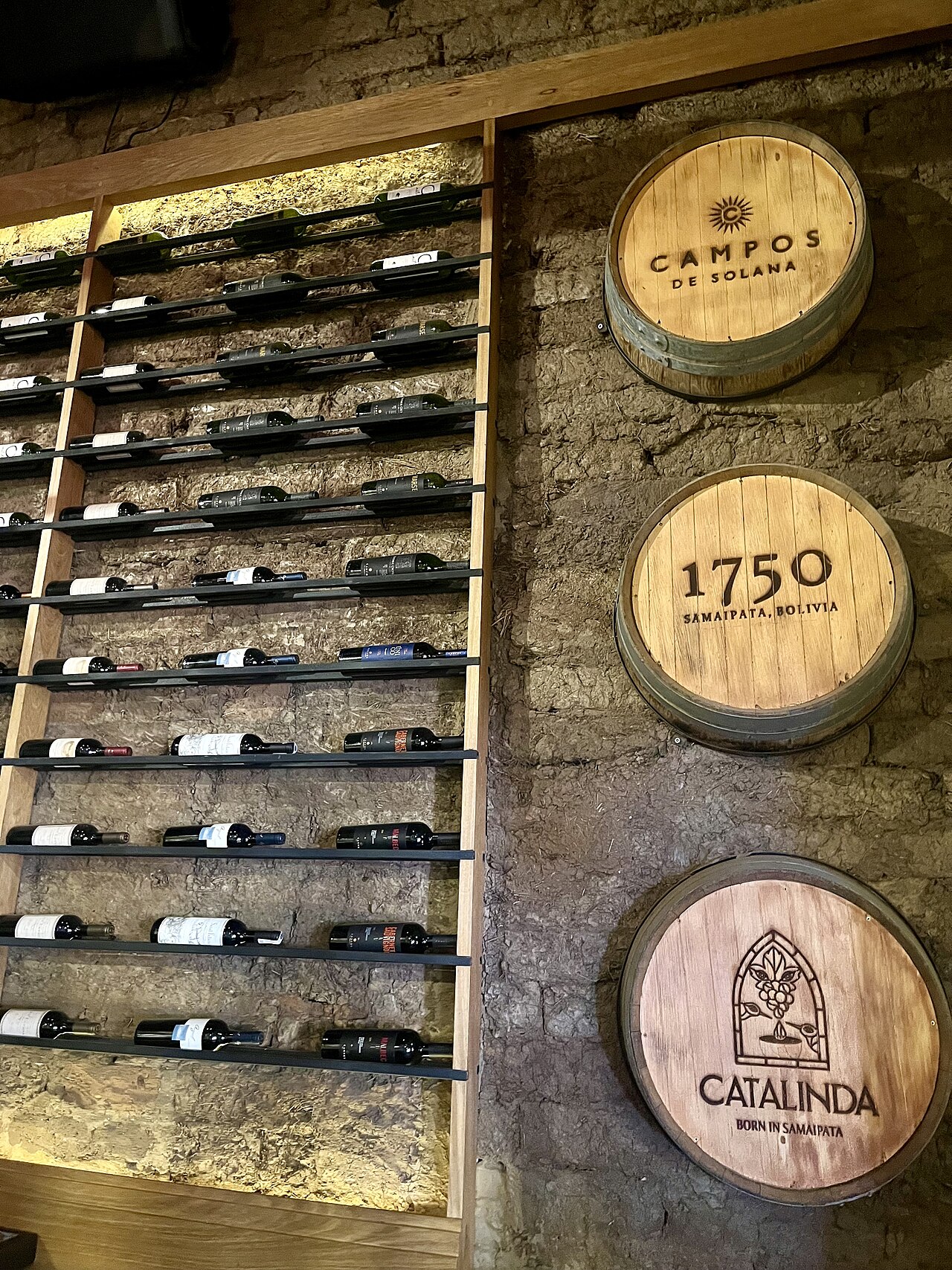
Bolivian wine comes in red, white, dessert, fortified, and sparkling varieties. Though the country isn’t famous for wine, it has around 400 producers—mostly small vineyards, with a few larger ones that turn out quality bottles. About 80% of the industry is based in Tarija.
Winemaking in Bolivia started in the 1500s, when Spanish colonists arrived. Franciscan monks needed wine for religious ceremonies, so they planted the first vines in Tarija. The tropical climate posed a major challenge, since grapevines prefer Mediterranean conditions. The Spanish eventually found success by planting at high altitudes—above 1,500 meters (4,921 feet)—where temperatures were more suitable. They grew Criolla varieties, including Negra Criolla (also called Mission, Pas, or Criolla Chica) and Muscat of Alexandria.
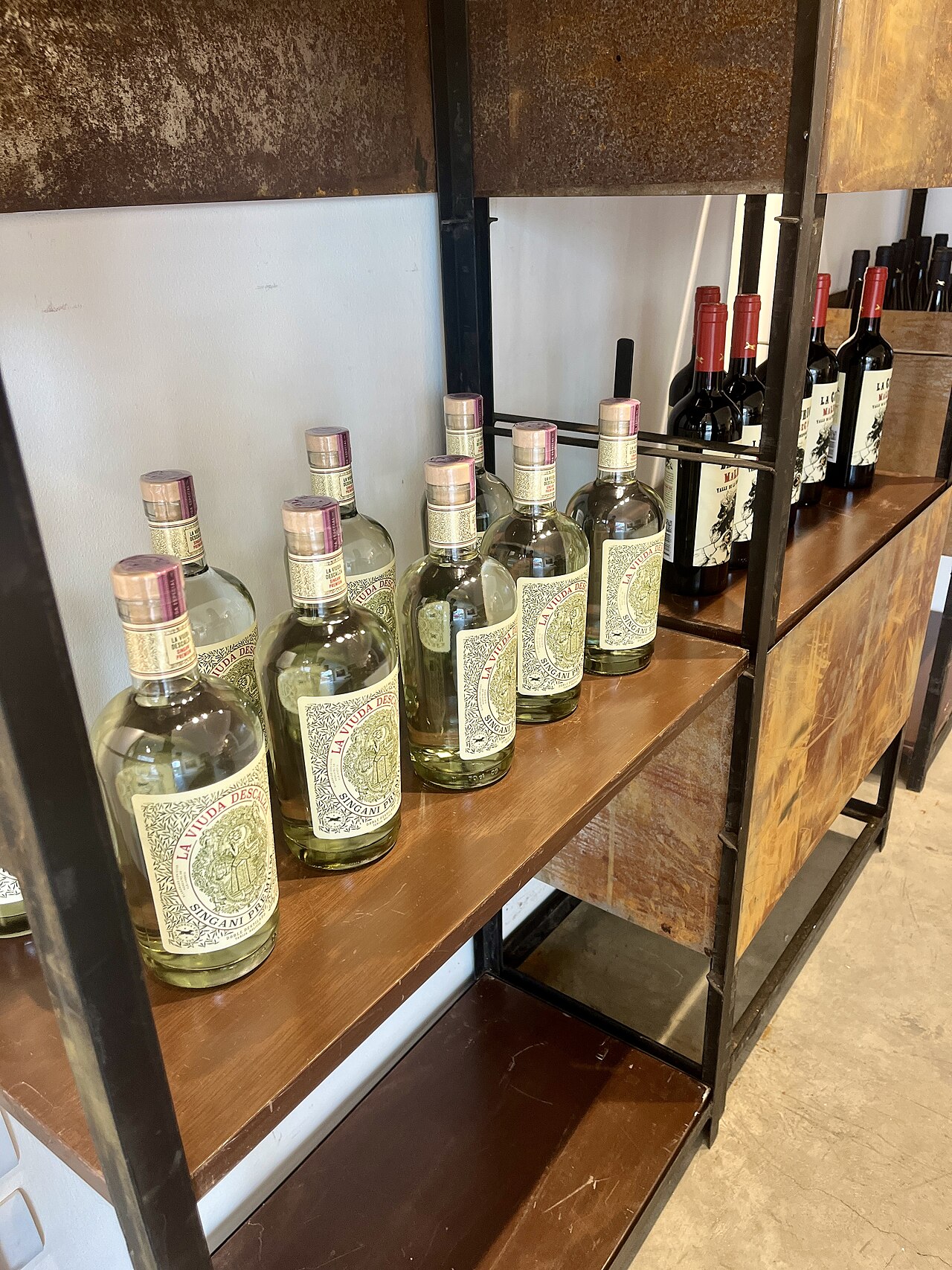
Modern techniques and expertise began entering the country in the 1960s and 1970s, pushing viticulture forward. Today, Bolivia has about 7,500 acres of vineyards. Most of the Muscat of Alexandria grapes are turned into wine and then distilled into singani, the national brandy. This 40% alcohol spirit, known for its fragrant Muscat character, is often mixed with ginger ale or local fruit juices. Since the 1990s, winemakers have experimented with other grape varieties, focusing on reds suited to high altitudes. At elevations between 1,500 and 2,800 meters (4,921–9,186 feet), thin-skinned grapes struggle with intense UV radiation. Success has come from lesser-known French and Spanish varieties and some modern hybrids.
Bolivia’s geography is tough for winemaking. The country lies entirely within tropical latitudes, which isn’t ideal for vines, but high altitudes compensate. 99% of vineyards sit between 1,600 and 3,000 meters. While most wine regions worldwide are at sea level or modest elevations, Bolivian vineyards are concentrated at 1,600–2,000 meters, with some in hot Andean areas reaching up to 3,000 meters. The altitude gives the wines a unique character. Intense sunshine and thinner atmosphere alter the grapes, while nights are calm and dry. Daytime temperatures can top 35°C, boosting acidity, and summer rains can dilute the wine.
Muscat of Alexandria dominates the vineyards, but other grapes appear too: white varieties like Torrontés, Chenin blanc, Riesling, Pedro Giménez, Sauvignon blanc, and Chardonnay; reds like Cabernet Sauvignon, Merlot, Syrah, Malbec, Ta
- field
- Winemaking
- nationality
- Bolivian
- known_for
- High-altitude vineyards and production of Singani brandy
- major_region
- Tarija
- total_vineyard_area
- 7,500 acres
- altitude_range
- 1,500–3,000 meters
Lore & Background
The history of wine making in Bolivia begins in the 16th century with the arrival of the Spanish. To supply the monastic orders that traveled with the conquistadors, wine was necessary for the sacrament, thus vineyards were established. Franciscan monks planted the first vine in Tarija. Bolivia's tropical climate was a big issue for early wine makers. Grapevines are a Mediterranean plant and do not thrive in tropical climates, the Spanish eventually found success by planting them in valleys at high altitudes. The Spanish colonists were able to find temperatures that were better for the vine when over 1,500 meters in elevation. They planted Criolla varieties there, including Negra Criolla and Muscat of Alexandria.
Since the 1960s and 1970s, when modern wine making technology and expertise first entered the nation, viticulture and wine making have advanced significantly. Although just a small percentage of the 7,500 acres of vineyards in Bolivia are made up of Muscat of Alexandria, the majority of this output is turned into wine which is eventually distilled to create singani, the national brandy of Bolivia. Bolivian winemakers have been experimenting with planting different grape varieties since the 1990s, focusing on red grape varieties that could be well suited to the high-altitude land. Success has been achieved with lesser known French and Spanish varieties and some modern crosses.
Reader's Guide
Bolivian wine occupies a unique niche in global viticulture due to its extreme altitude. 99% of all vineyards are situated between 1,600 and 3,000 meters, making Bolivia one of the highest wine-producing countries in the world. The high altitude gives the wines a unique taste, with intense sunshine and thin atmosphere affecting the grapes. Daytime temperatures can rise above 35 °C, which increases acidity, and summer rains dilute the wine. The Tarija valley is the main wine-producing region, where 93% of grapes intended for wine production are concentrated. The region benefits from a fresh eastern breeze that contributes to a fresh and elegant style. Los Cintis valley, at 2,400 meters, is considered the spiritual home of small-scale, traditional winemaking, with some vines between 100 and 250 years old. While Bolivia is not a well-known wine country, its production includes red, white, dessert, fortified, and sparkling wines. The historic Singani industry, a clear brandy made from Muscat of Alexandria, remains a national spirit and drives much of the grape harvest.
Did You Know?
- Franciscan monks planted the first vine in Tarija in the 16th century.
- 99% of Bolivian vineyards are situated between 1,600 and 3,000 meters above sea level.
- Singani, the national brandy of Bolivia, is distilled from Muscat of Alexandria grapes.
- Los Cintis valley has some vines between 100 and 250 years old.
Indigenous Foundations and the Layering of Foreign Flavors
Bolivian cuisine rests on a foundation laid by the Aymara and Inca peoples, with contributions from other Andean and Amazonian communities stretching back centuries. Corn, potato, quinoa, and beans form the bedrock of the traditional table. When Spanish conquistadors arrived, they introduced rice, wheat, beef, and pork, weaving these new ingredients into existing cooking traditions. Over time, German, Italian, French, Basque, Arab, and Asian immigrants added their own touches, though European migration to Bolivia never reached the scale seen in neighboring countries. Spanish culinary influence remains the dominant foreign thread, while Argentina and Paraguay contributed more modestly. The result is a cuisine deeply rooted in pre-Columbian practice yet visibly layered with centuries of cross-cultural exchange, each wave of newcomers leaving a trace in the everyday dishes of the country.
Two Bolivas at the Table: Altiplano and Lowlands
The geography of Bolivia creates two distinctly different culinary worlds. In the western highlands, the Altiplano's harsh, cold climate has shaped a cooking style that leans heavily on spices to add warmth and depth to dishes. Down in the eastern and southern lowlands, where the Amazonian environment provides an abundance of tropical produce, the kitchen looks entirely different. Here, fruits, vegetables, fish, and yuca take center stage, reflecting what the land naturally offers. Even the fruits tell a regional story: the achacha is an Amazonian native, while the cherimoya—known in English as the custard apple—is believed to be Andean in origin. This geographic duality means that a traveler moving from the altiplano to the lowlands would encounter virtually a different national cuisine, each shaped by altitude, climate, and the specific ingredients the environment makes available.
The Day Organized Around the Table
In Bolivia, the structure of a day is built around eating. Breakfast tends to be modest—often just a strong black coffee and a slice of marraqueta bread spread with butter and jam. The true anchor of the day is the almuerzo, or lunch, which carries such cultural weight that entire neighborhoods pause for it. Shops and offices commonly close between noon and two in the afternoon so workers can return home for a multi-course meal: a soup, a meat dish with rice and potatoes, followed by dessert and coffee. The pace is unhurried, and a restful siesta traditionally follows. In the late afternoon, around four or five, Bolivians gather at salones de té—tearooms that often double as bakeries—to enjoy black tea with biscuits like galletas Maria or the more traditional humintas, or to sip coca and herbal infusions. Dinner arrives later, after eight, and is deliberately lighter and more casual, frequently closing the day with a comforting bowl of soup.
A Sweet Table: Fruits, Fritters, and Andean Desserts
Bolivia's confectionery tradition draws on honey and sugarcane as its primary sweeteners, with manjar blanco serving as a filling that stands in for dulce de leche in regional twists on classics like alfajores. Coconut is a star ingredient, appearing in cocadas, a coconut pudding called budín de coco, and small pastries known as pastelitos. Other fruits—bananas, guava, passion fruit, and raisins—feature throughout the sweet repertoire. The Andean tamarillo, in particular, is worked into compotes, marmalades, and assorted desserts. For breakfast, fried bunuelos are paired with api, a warm drink made from morocho corn, cinnamon, milk, and sugar. Tawa-Tawas, another fritter, is sweetened with miel de caña, while helado de canela offers a cinnamon-flavored sorbet for those seeking something cold. Perhaps the most celebrated fruit is the cherimoya, which the American author Mark Twain once declared the most delicious fruit known to men, and which Bolivians turn into ice cream and other sweets.
Gallery
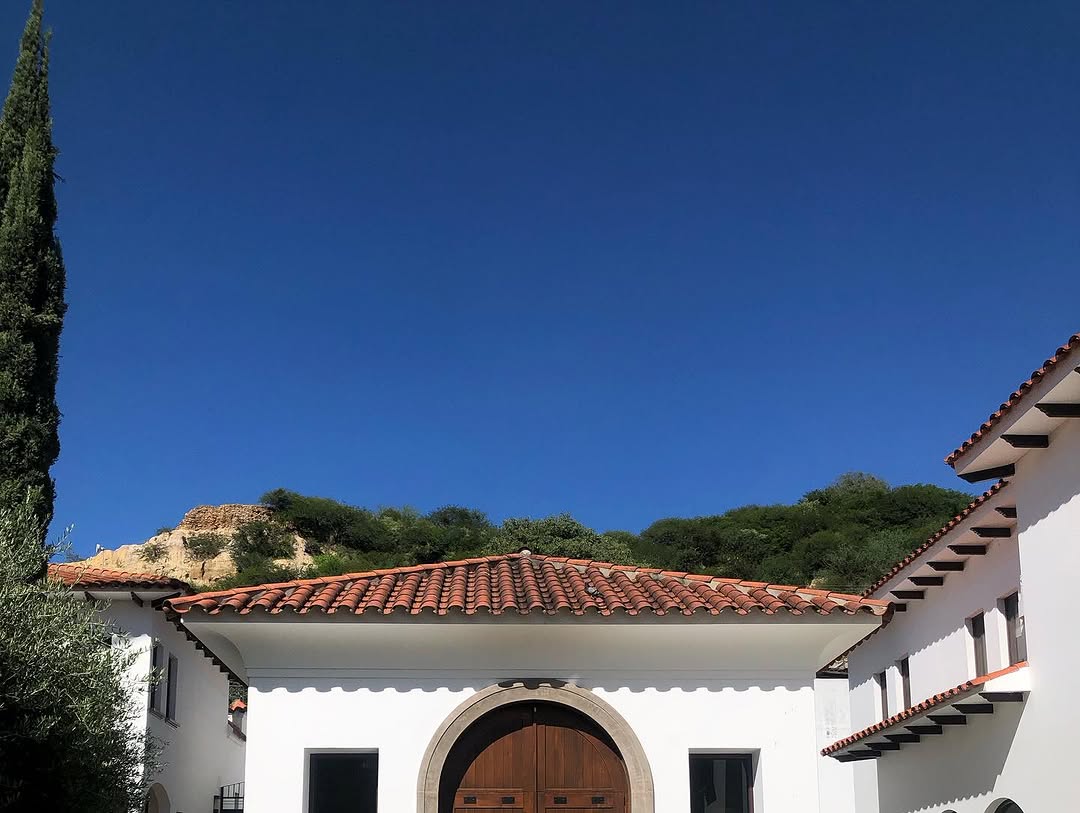
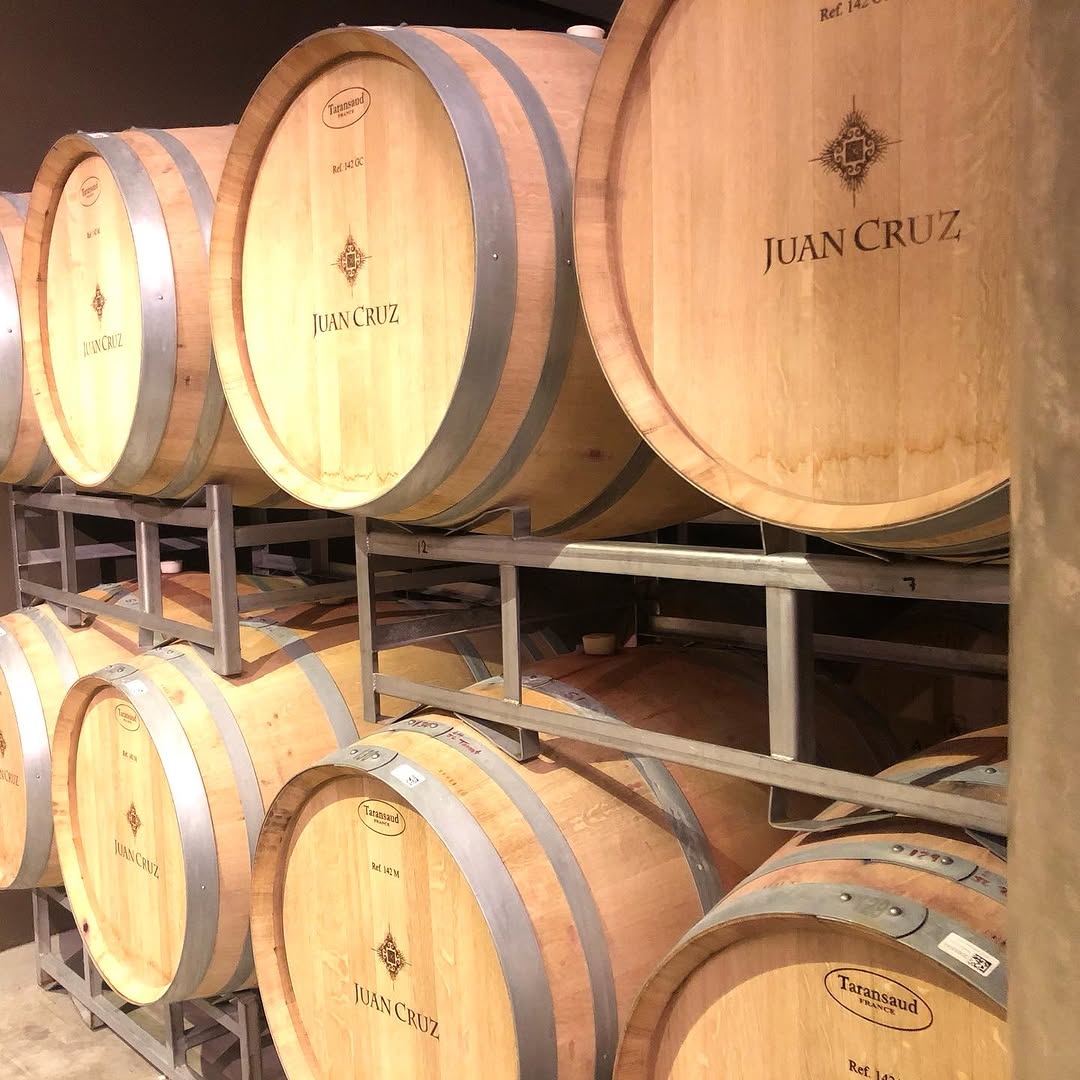
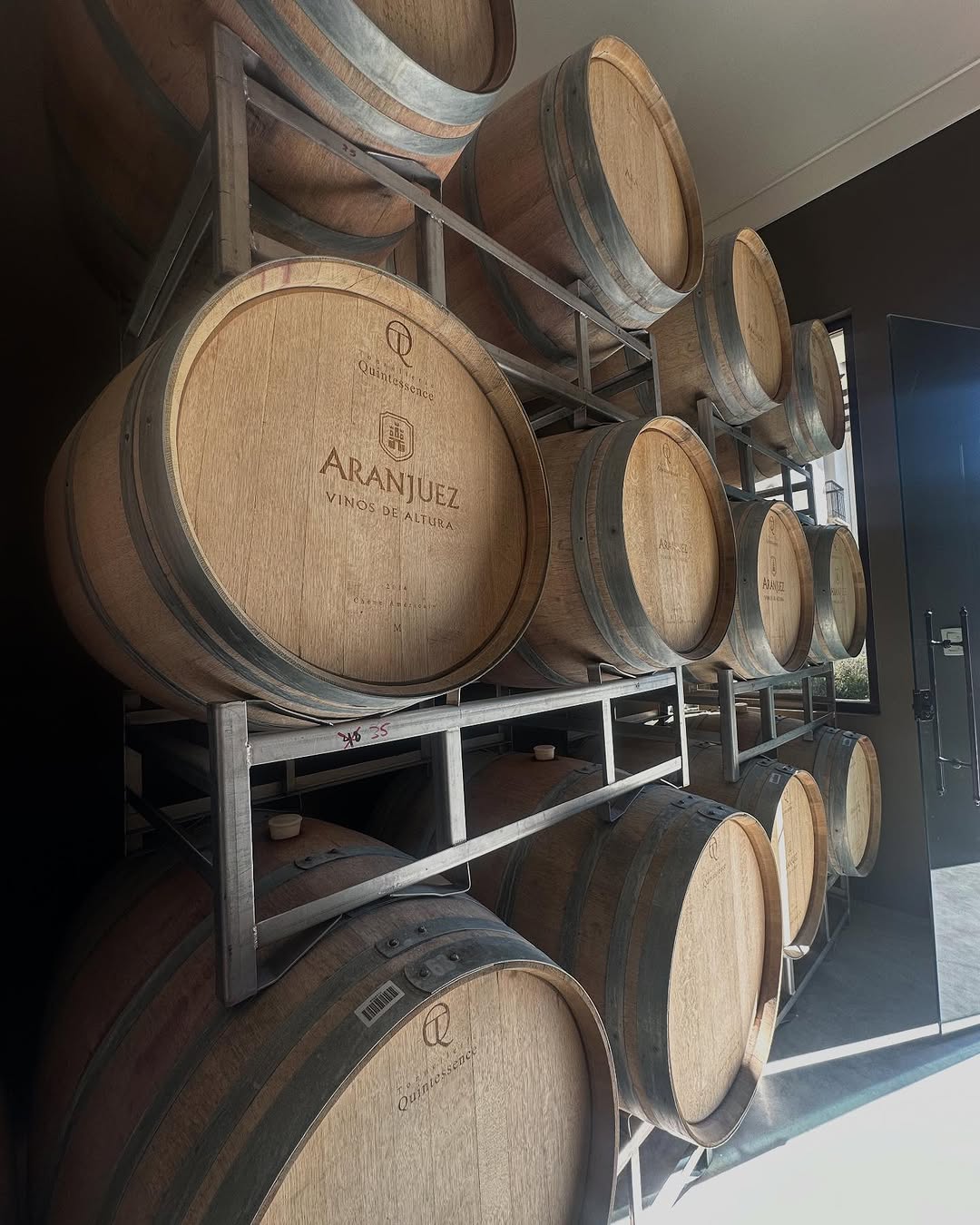
Frequently Asked Questions
What is Bolivian wine?
Bolivian wine refers to grapes cultivated and fermented at high elevations in Bolivia, with the vast majority of production centered in the Tarija region. The country supports roughly 400 producers, most of them small family vineyards alongside a few larger operations.
Where is Bolivian wine grown?
About 80% of the industry is concentrated in Tarija, where vineyards sit between 1,500 and 3,000 meters above sea level. The total planted area spans roughly 7,500 acres across these high-altitude sites.
How did winemaking start in Bolivia?
Spanish colonists introduced viticulture in the 1500s, and Franciscan monks planted the first vines in Tarija to supply wine for religious ceremonies. The tropical lowland climate proved a major obstacle, so growers eventually shifted to higher elevations where conditions better suited the vines.
What types of Bolivian wine are available?
Producers make red, white, dessert, fortified, and sparkling styles. Bolivia is also well known for Singani, a highland grape brandy that sits alongside its table and sparkling wines.
Why is Bolivian wine notable?
It proves that quality viticulture can succeed at extreme altitudes, with vines thriving well above 3,000 meters in some cases. Though Bolivia is not a globally dominant wine country, its roughly 400 producers keep a centuries-old tradition alive in a demanding climate.
More in Bolivian cuisine 1-19
Spotted an error? Know more?
This is a living reference — every entry is fact-audited, and reader corrections feed straight into our audit queue. Suggest an edit · See this site's audit record