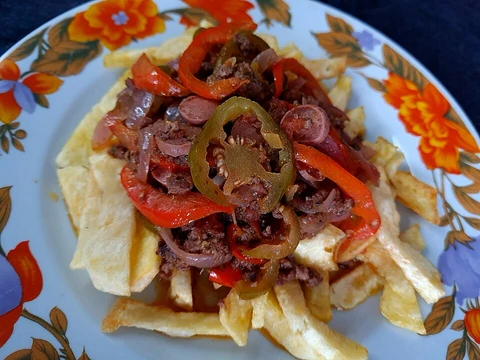
Marraqueta
Crusty bread roll, national food of Bolivia and Chilean staple.

Wikipedia / Wikimedia Commons
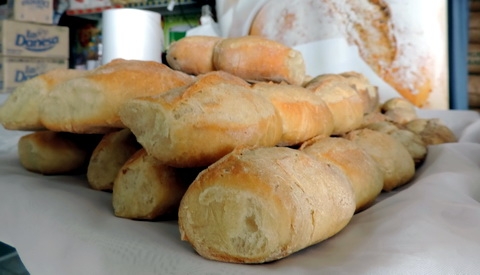
Marraqueta is a bread roll made with wheat flour, salt, water and yeast, known for its crusty exterior. It is considered a national food of Bolivia and a staple in Chile, where it dates to the 1800s and is widely regarded as important to national identity. In 2024, Taste Atlas listed it as the third best bread in the world.
- field
- Bread
- nationality
- Chilean and Bolivian
- known_for
- Crusty bread roll, national food of Bolivia, staple in Chile
- year_listed
- 2024 (Taste Atlas ranking)
Lore & Background
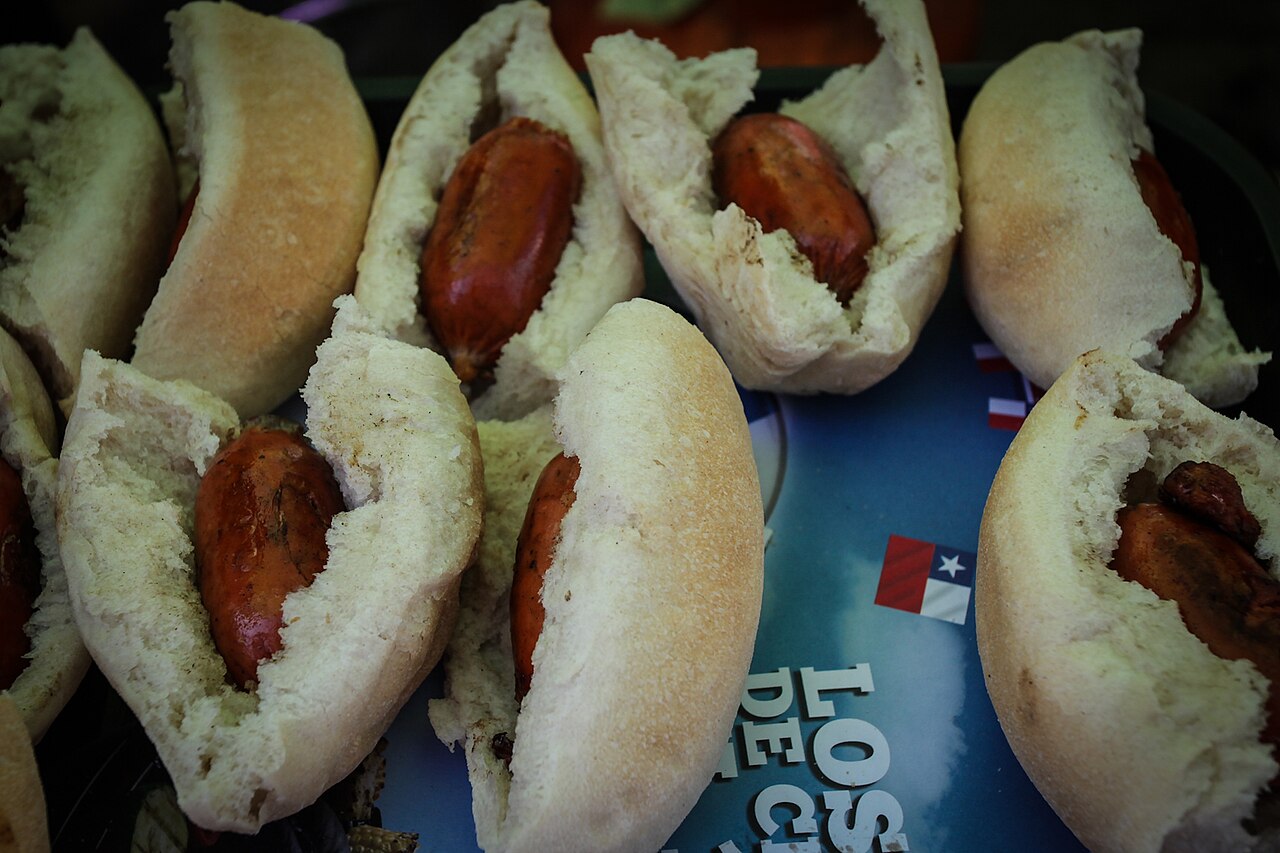
In Bolivia, marraqueta is consumed mostly in the metropolitan area of La Paz and El Alto, prepared in common ovens between midnight and dawn to be sold fresh and crunchy by vendors in the morning. The La Paz variety, also called marraqueta paceña, was declared cultural patrimony in 2006. In Chile, marraqueta is eaten at every meal, used as toast, in sandwiches, and as a binder for recipes such as pastel de carne. It is often consumed for breakfast topped with mashed avocado, and the crust is considered essential; for sandwiches, the inner dough is often scooped out and discarded. The Chilean marraqueta is created by butting two rolls together and slicing through both almost deeply enough to form four rolls, then baking. It does not contain fat and the proofing process takes longer than other breads. Many historians agree that the marraqueta originated in Valparaíso, Chile, in the late 19th and early 20th centuries, when major Chilean ports received thousands of European immigrants. The story goes the bread was invented by two French baker brothers in Valparaíso whose last name was Teran-Marraquett. An alternative theory was proposed by French naturalist Claude Gay, who suggested it was first eaten in Chile in the 19th century.
Reader's Guide
Marraqueta holds significant cultural and culinary importance in both Bolivia and Chile. In Bolivia, it is the most common bread found in bakeries and is served for breakfast, lunch, and dinner, with a particular concentration in La Paz and El Alto, where it was declared cultural patrimony in 2006. In Chile, it is a staple food consumed at every meal, widely considered a national staple and important to Chilean national identity. The bread's crusty exterior is its essential element, and its unique form—four small rolls created by butting two rolls together and slicing—allows easy division by hand. The name marraqueta is also used regionally in Chile alongside pan batido and pan francés, with some confusion over what constitutes a single unit. The bread's origin is attributed to French baker brothers in Valparaíso, though an alternative theory by Claude Gay exists. Its recognition as the third best bread in the world by Taste Atlas in 2024 underscores its global appeal. The bread's versatility, from breakfast with avocado to sandwiches where the inner dough is removed, highlights its role in daily life. The lack of fat and longer proofing process contribute to its distinctive texture.
Did You Know?
- Marraqueta was listed as the third best bread in the world by Taste Atlas in 2024.
- In Chile, the inner dough of marraqueta is often scooped out and discarded when used for sandwiches.
- The Bolivian marraqueta is prepared in common ovens between midnight and dawn to be sold fresh in the morning.
- The Chilean marraqueta is created by butting two rolls together and slicing through both almost deeply enough to form four rolls.
A Staple of the Morning Table
In the daily rhythm of Bolivian life, the marraqueta occupies a humble yet essential place as the bread most commonly associated with the morning meal. While a Bolivian breakfast can range from a lavish spread to something quite modest, the marraqueta appears at the heart of the simpler tradition: a slice of this bread, spread with butter and a layer of jam, accompanied by a cup of black coffee known as cafe tinto. It is this unpretentious pairing that defines how most Bolivians greet the day. The bread serves as a canvas for the sweet and savory toppings that make the morning feel complete without demanding the elaborate multi-course structure reserved for later meals. In a culture where the midday almuerzo commands the most attention and the afternoon tea break at a salon de té offers its own ritual, the marraqueta anchors the first quiet moment of the day—a small, personal act of nourishment before the world reopens.
Roots in an Indigenous Kitchen
The marraqueta does not exist in isolation; it is one thread in the vast tapestry of Bolivian food, a cuisine shaped first by the Aymara and Inca culinary traditions and later enriched by the arrival of Spanish conquistadors and waves of immigrants from Germany, Italy, France, and the Arab and Asian worlds. The foundational ingredients of this kitchen—corn, potatoes, quinoa, and beans—predate European contact by millennia, yet the bread itself belongs to the second wave of influences. Wheat, carried across the Atlantic by the Spaniards, joined the local pantry alongside rice, beef, and pork, creating a blended larder from which dishes like the marraqueta could emerge. Spanish cuisine remains the single most significant external force on Bolivian cooking, far outpacing the contributions of German, Italian, or Basque settlers, whose presence in the country was comparatively modest. Neighboring Argentina and Paraguay added smaller accents. Within this layered heritage, the marraqueta stands as a quiet testament to how a European grain was absorbed into an Andean and Amazonian food culture and made to feel entirely local.
The Rhythm of the Bolivian Day
To understand the marraqueta's role, one must see it within the full architecture of a Bolivian day. The almuerzo, or midday meal, is the undisputed centerpiece: a multi-course affair of soup, meat, rice, and potatoes followed by dessert and coffee, eaten so leisurely that shops and offices close between twelve and two so workers can return home. The afternoon brings a tea break around four or five, often at a salon de té that doubles as a bakery, where black tea or coca-infused herbal drinks are paired with biscuits or humintas. Dinner arrives late, after eight, and is deliberately lighter and more casual, frequently closing the day with a traditional soup. Against this backdrop of grand midday feasting and structured evening simplicity, the marraqueta's breakfast slot feels almost deliberately understated. A slice of bread with butter and jam, a cup of cafe tinto—this is the day's opening note, brief and personal, setting the tone before the more communal and elaborate meals that follow.
A Bread Within a Layered Culinary Heritage
Bolivian cuisine is not a single tradition but a palimpsest of cultures, and the marraqueta reflects that layering in its very existence. The indigenous base—Aymara and Inca cooking, supplemented by Amazonian and other Andean groups—established a food culture built on corn, potatoes, quinoa, and beans, with regional variations that see the cold Altiplano favoring bold spices while the lowland Amazonian zones lean on fruits, vegetables, fish, and yuca. Into this world came the Spaniards with wheat, rice, beef, and pork, fundamentally reshaping the pantry. Later, smaller currents from German, Italian, Basque, French, Arab, and Asian communities added further notes, though none matched the depth of the Spanish imprint. The marraqueta, as a wheat-based bread appearing on the breakfast table alongside butter and jam, is a product of that second chapter. It sits comfortably beside the indigenous staples and the imported meats, illustrating how Bolivian cooking has long practiced the art of blending the local and the foreign into something that feels wholly its own.
Gallery



Frequently Asked Questions
What is Marraqueta?
Marraqueta is a simple bread roll made from wheat flour, salt, water, and yeast, distinguished by its notably crusty outer shell. It holds the status of a national food in Bolivia and serves as an everyday staple across Chile.
Where does Marraqueta originate from?
The roll traces its roots back to 19th-century Chile, where it became deeply embedded in the country's food culture. Over time it also became a beloved everyday bread in Bolivia, where it is regarded as a national dish.
What makes Marraqueta stand out?
Its signature feature is the crisp, crusty exterior that contrasts with the soft interior. In 2024, the ranking platform Taste Atlas placed it at number three among the world's best breads.
What are the basic ingredients in Marraqueta?
Only four components are needed: wheat flour, salt, water, and yeast. This minimal recipe is a big part of why it remains such an accessible, everyday bread in both Bolivia and Chile.
Why is Marraqueta culturally significant?
It is officially recognized as a national food of Bolivia and is widely regarded in Chile as a key part of the country's culinary identity. Its long history dating to the 1800s cements its place as a symbol of shared South American food heritage.
More in Bolivian cuisine 1-19
Spotted an error? Know more?
This is a living reference — every entry is fact-audited, and reader corrections feed straight into our audit queue. Suggest an edit · See this site's audit record